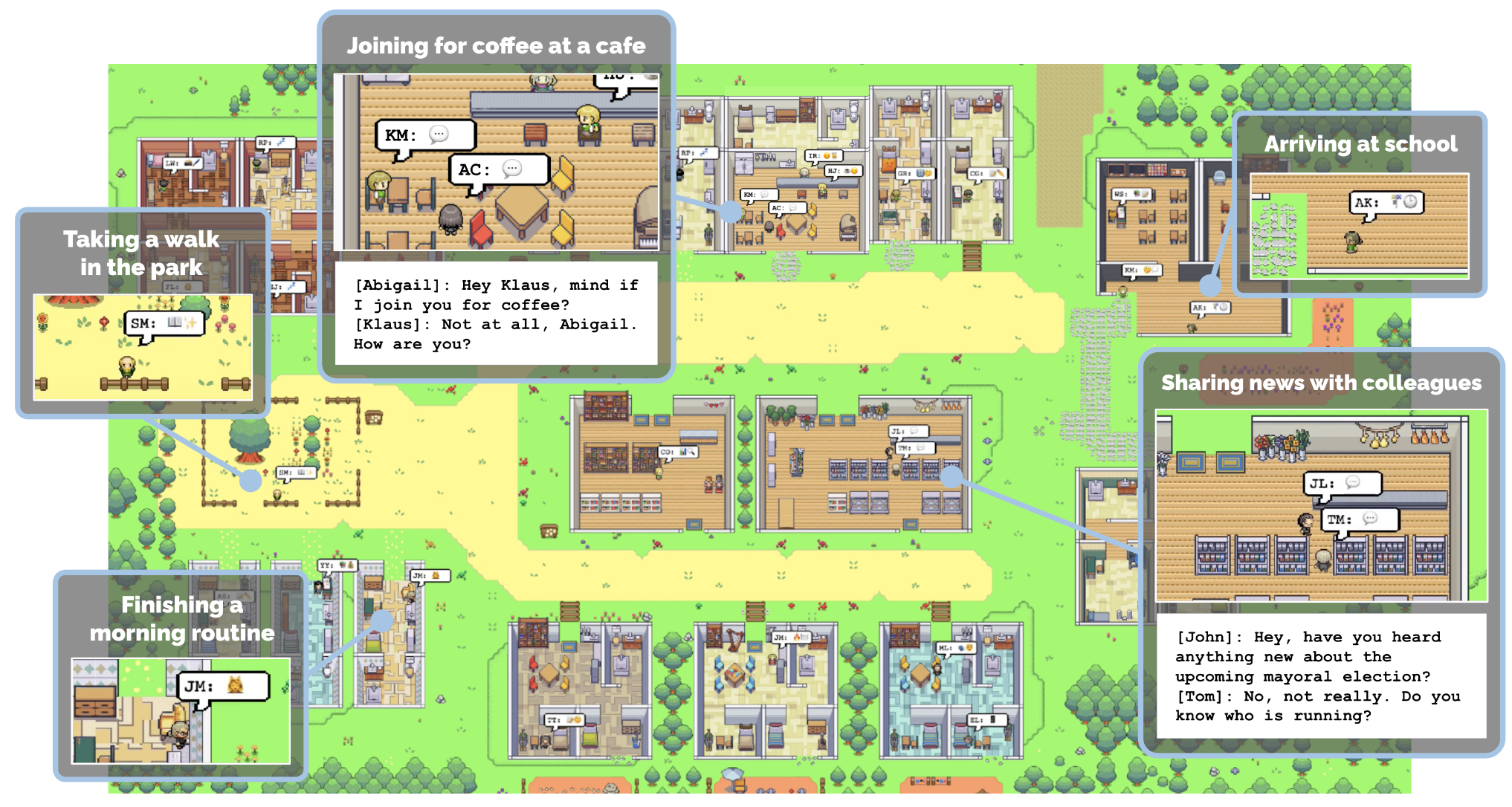
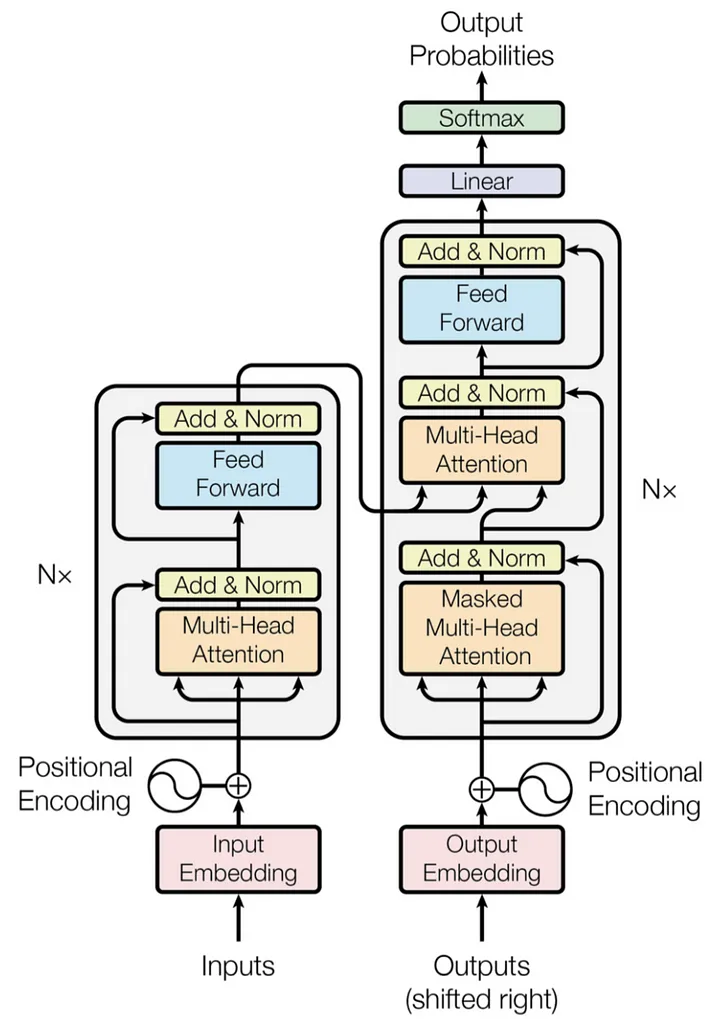
This project builds on two studies by Joon Sung Park and collaborators to improve the prototyping of social computing systems. The first study, ‘Social Simulacra: Creating Populated Prototypes for Social Computing Systems’ (Park et al., 2022), introduces a technique called social simulacra, which generates realistic simulations of online communities based on a designer’s input (e.g., community goals, rules, and member personas) to expose potential social dynamics—both constructive and disruptive—at scale. The second study, ‘Generative Agents: Interactive Simulacra of Human Behavior’ (Park et al., 2023), presents generative agents, an architecture built around large language models enhanced with memory and reflective reasoning, enabling agents to simulate more coherent and human-like behavior over time. This project proposes integrating generative agents into the social simulacra framework to increase the realism and interpretability of simulated interactions. By giving each agent a distinct memory, personality, and ability to reflect, the system not only better mimics plausible social behavior but also supports qualitative analysis of interactions through agents’ internal perspectives.